Sustainable Agriculture
ADVERTISEMENT
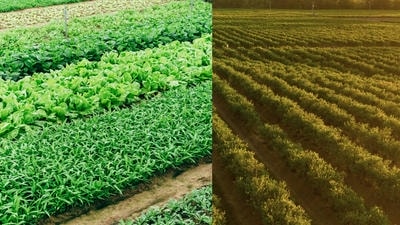
From Monoculture to Polyculture: Why Diverse Farms Are More Resilient
In recent decades, the global agricultural landscape has been dominated by monoculture—growing a single crop over extensive areas year after year. While this approach has proven efficient for producing high yields in the short term, it poses significant risks to long-term sustainability, soil health, and ecosystem resilience.
The Hidden Water Cost of Food: Why Almond Milk Isn't the Worst Choice
Water is an essential resource for agriculture and food production, but its availability is becoming increasingly strained due to climate change, population growth, and over-extraction. As consumers become aware of the environmental impacts of their food choices, questions regarding water usage in food production have emerged, especially concerning popular products like almond milk.
The Carbon Footprint of Your Plate: Beef vs. Beans vs. Beyond Meat
As global awareness of climate change and environmental sustainability continues to grow, consumers are increasingly examining the carbon footprints associated with their food choices. What we eat not only affects our health but also impacts the planet.
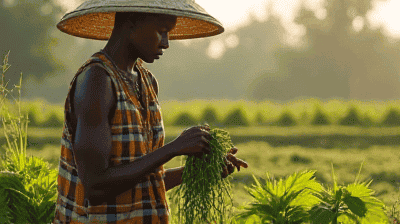
Indigenous Farming Techniques That Outperform Modern Industrial Methods
Sustainable agriculture faces numerous challenges in the modern world, including climate change, loss of biodiversity, soil degradation, and food insecurity. As we seek solutions to these pressing issues, there is a growing interest in indigenous farming techniques, which have been practiced for thousands of years.

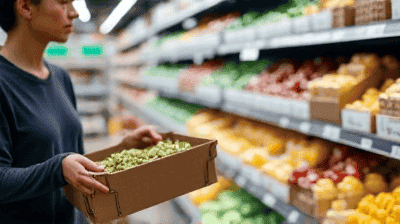
From Farm to Landfill: Why thirty percent of All Food Grown Is Never Eaten
In a world where approximately 1 in 9 people are undernourished, it is deeply troubling to acknowledge that around 30% of all food produced globally ends up wasted. This staggering statistic highlights a critical issue within our food systems, where resources, labor, and energy are expended to grow food that never reaches the table.
Community Fridges and Food Sharing Apps: Tech Tackling Household Waste
Household food waste is a pressing issue in modern society, with approximately one-third of all food produced globally never being consumed. This waste not only represents significant economic loss but also contributes to environmental challenges, including greenhouse gas emissions and resource depletion.
Smart Packaging: Innovations Keeping Food Fresh Longer
In our quest for a sustainable future, the challenge of food waste has emerged as one of the most pressing issues facing our food systems today. Approximately one-third of all food produced globally is wasted, with significant amounts of this spoilage occurring during transport and storage.
Agroforestry in Action: How Trees on Farms Increase Biodiversity & Yields
As the global population continues to rise, the demand for food skyrockets, putting immense pressure on agricultural systems worldwide. Conventional farming practices often lead to soil degradation, loss of biodiversity, and increased greenhouse gas emissions.
Beyond Pesticides: How Organic Farmers Control Pests Naturally
As global awareness of environmental sustainability grows, the demand for organic farming practices has surged. Organic farming not only promotes healthier food choices but also emphasizes methods that nurture the ecosystem, reduce chemical inputs, and enhance biodiversity.
Composting vs. Anaerobic Digestion: Best Ways to Handle Food Scraps
Food scraps are an inevitable byproduct of our daily lives, generated during meal preparation, consumption, and food processing. While these scraps might seem like mere waste, they hold immense potential for contributing to sustainable agriculture and reducing our environmental footprint.